


Yes, Invisalign clear aligners can successfully fix mild to moderate anterior and posterior crossbites. Severe or skeletal crossbites may require a combination of Invisalign clear aligners with specialized orthodontic expanders or traditional metal braces. Treatment effectiveness ultimately depends on the patient's age, the crossbite's severity, and the treating orthodontist's expertise.
Many people notice their upper and lower teeth do not align properly when they bite down. This misalignment often points to a crossbite, a common orthodontic issue that can cause discomfort and dental complications. Seeking an effective solution is a top priority for patients wanting a healthy, functional smile without the hassle of traditional metal brackets.
Modern orthodontic treatments provide discreet and comfortable alternatives to conventional methods. Specifically, Invisalign clear aligners have revolutionized how orthodontists approach complex bite issues. Patients frequently ask if this clear aligner system can handle bite corrections alongside basic teeth straightening.
You might be wondering, can Invisalign fix crossbite issues reliably? While highly effective for many patients, the success of Invisalign clear aligners for crossbite correction depends entirely on the type and severity of the misalignment.
Key Takeaways
- Invisalign clear aligners effectively treat mild to moderate anterior and posterior crossbites.
- Severe skeletal crossbites often require additional appliances, such as a Rapid Palatal Expander, before or during clear aligner therapy.
- According to the National Institutes of Health [Sayyad Aref, 2024], Invisalign clear aligners can treat malocclusions faster than traditional braces, averaging 18 months compared to 24 months.
- Orthodontic attachments and rubber band elastics play a critical role in providing the necessary force for crossbite correction using aligners.
- Consulting an experienced, board-certified orthodontist ensures a proper diagnosis and an accurate digital treatment plan.
What is a crossbite and how does it affect oral health?
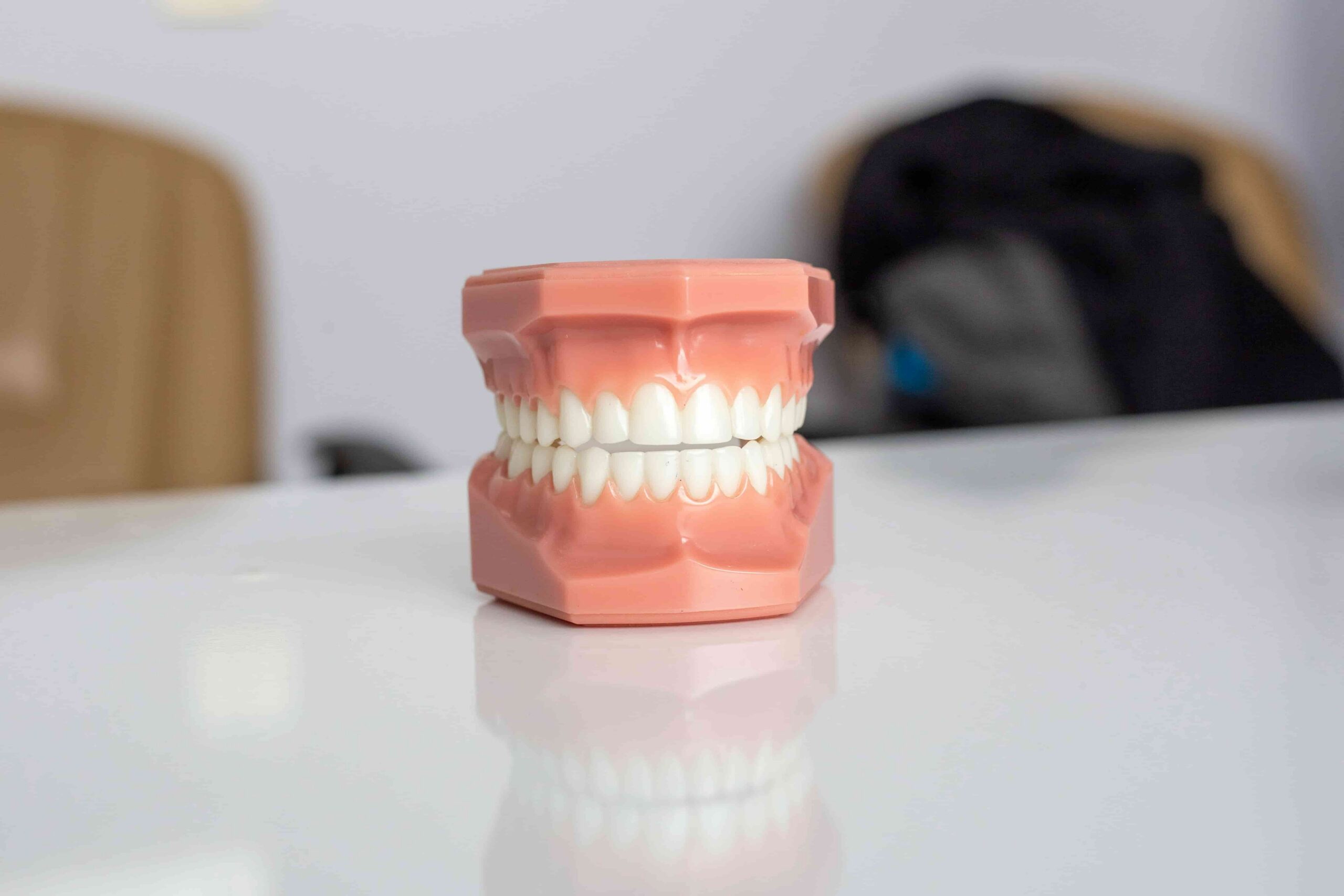
Understanding the nature of your bite misalignment is the first step toward finding the right treatment. A crossbite occurs when you close your mouth and some of your upper teeth sit inside your lower teeth.
What are the different types of crossbites?
Orthodontists classify crossbites based on their location in the mouth. An anterior crossbite affects the front teeth, occurring when one or more upper front teeth sit behind the lower front teeth.
A posterior crossbite develops in the back of the mouth, meaning the upper back teeth bite down inside the lower back teeth. Sometimes, patients experience a single-tooth crossbite, where only one specific tooth is out of alignment.
What causes a crossbite to develop?
Several factors contribute to the development of a crossbite during childhood. Genetics play a massive role in jaw size and shape. Prolonged childhood habits, such as thumb sucking or pacifier use, can alter the formation of the upper jaw.
Additionally, mouth breathing caused by enlarged tonsils or nasal obstruction can hinder proper jaw growth and lead to a narrow upper palate.
What happens if a crossbite is left untreated?
Ignoring a misaligned bite can lead to serious dental and physical complications over time. Patients with untreated crossbites often experience excessive and uneven wear and tear on their tooth enamel.
The misalignment also causes significant jaw muscle stress, potentially leading to temporomandibular joint (TMJ) disorders, chronic headaches, and neck pain.
Furthermore, irregular bite pressure increases the risk of gum disease and bone loss.
How do Invisalign clear aligners work for orthodontic treatment?
The Invisalign clear aligner system uses advanced digital technology to shift teeth into their optimal positions gradually.
Patients wear a customized series of removable trays that apply targeted pressure to specific teeth.
What technology powers the Invisalign system?
Invisalign clear aligners utilize a patented, highly elastic material known as SmartTrack. This specialized plastic provides a gentle, constant force to move teeth predictably.
Orthodontists pair this material with iTero 3D digital scanners to capture highly accurate, gag-free impressions of the patient's mouth.
What does the step-by-step Invisalign treatment process involve?
The process begins with a comprehensive consultation and a 3D digital scan. The orthodontist uses this data to map out a precise, step-by-step digital treatment plan. Once the custom aligners arrive, the patient wears each set for 20 to 22 hours a day, switching to a new set every one to two weeks.
Regular office check-ins ensure the teeth track correctly according to the digital plan.
How do clear aligners physically move teeth into alignment?
Each aligner is manufactured to be slightly different from the previous one. As the patient wears the tray, the rigid plastic pushes against the teeth, applying controlled force.
This pressure stimulates the jawbone, allowing the tooth roots to remodel and shift incrementally over the course of the treatment timeline.
Can Invisalign fix a crossbite effectively?
Many patients ask, will Invisalign fix a crossbite completely? The answer is generally yes for mild to moderate dental misalignments.
However, complex skeletal issues require a more nuanced approach.
Which types of crossbites can Invisalign treat?
Invisalign clear aligners excel at fixing single-tooth crossbites and mild anterior crossbites. The aligners easily push a single upper tooth forward while shifting the corresponding lower tooth backward. They also successfully treat mild posterior crossbites by gradually expanding the dental arch.
If you wonder, does Invisalign fix crossbite issues involving multiple teeth, the clear aligner system can handle these cases, provided the discrepancy is primarily dental rather than skeletal.
How do attachments and elastics help correct crossbites?
Clear aligners alone cannot always generate the specific directional force needed for bite correction. Orthodontists frequently bond small, tooth-colored composite bumps called attachments to the teeth. These act as handles, allowing the aligner to grip the tooth and push it firmly.
Additionally, doctors use orthodontic elastics (rubber bands) attached to small buttons to pull the upper and lower jaws into proper alignment.
What are the limitations of clear aligners for severe crossbites?
Severe bilateral posterior crossbites caused by a narrow upper jawbone often exceed the capabilities of clear aligners alone. In these cases, the orthodontist must physically widen the palate bone.
Growing children and teens typically require a Rapid Palatal Expander or a Quad Helix appliance to achieve this skeletal expansion before or during their clear aligner therapy.
How does Invisalign compare to traditional braces for crossbites?
Both treatments effectively correct malocclusions, but they utilize different mechanics. According to a 2024 study published by the National Institutes of Health [Sayyad Aref, 2024], patients using Invisalign clear aligners finished treatment in an average of 18 months, while traditional braces took 24 months.
Choose traditional metal braces if severe skeletal correction and high levels of fixed force matter more than treatment speed and aesthetics.
Why is a professional orthodontic consultation necessary for crossbite correction?
Self-diagnosing a bite issue is impossible without advanced imaging. A professional evaluation determines the exact root cause of the crossbite, ensuring the chosen treatment method will be safe and effective.
Why should you get a professional assessment first?
An orthodontist must differentiate between a dental crossbite (caused by tilted teeth) and a skeletal crossbite (caused by mismatched jaw sizes). Treating a skeletal issue with only dental movement can push the tooth roots out of the supporting bone.
A professional assessment safeguards your long-term oral health.
What can you expect during an orthodontic consultation?
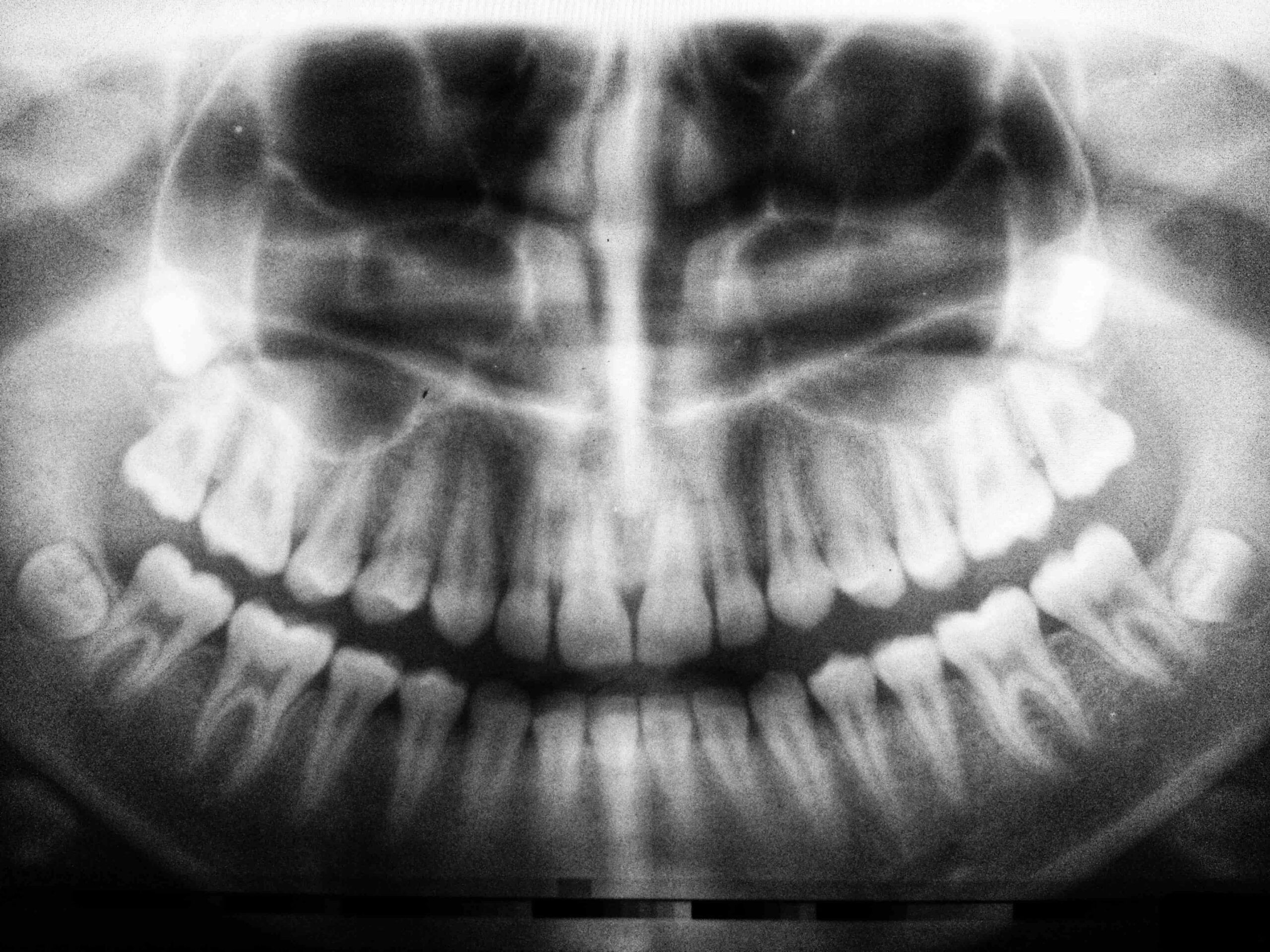
During a modern consultation, the team will take 3D digital x-rays and intraoral scans. At clinics like Harris Orthodontics, these 3D x-rays eliminate the guesswork of older 2D films.
The doctor will review the scans with you, explain the mechanics of your specific bite, and outline customized treatment options.
Why does provider experience matter for Invisalign success?
The clear aligner system is merely a tool; the orthodontist's knowledge dictates the results. Selecting a highly ranked provider ensures your complex bite issue receives the correct treatment protocol.
For instance, Dr. Dallin Harris is a Blue Diamond Invisalign Provider, placing him in the top 1% of providers in North America. High-level expertise prevents treatment delays and unsatisfactory results.
What do real-life Invisalign before and after crossbite results look like?
Viewing successful case studies helps patients visualize their own potential outcomes.
Analyzing Invisalign before and after crossbite photos demonstrates the profound impact of proper orthodontic care.
What potential results can patients expect?
Following a successful treatment plan, patients achieve a harmonious bite where the upper teeth rest comfortably outside the lower teeth.
This eliminates facial asymmetry and prevents unwanted tooth enamel wear. Beyond the functional benefits, correcting a crossbite drastically improves the aesthetics of the patient's smile, boosting their daily confidence.
How should patients manage their treatment expectations?
Success heavily relies on patient compliance. Clear aligners only work when worn for the required 22 hours daily. Patients must also commit to wearing their prescribed elastics consistently.
Finally, lifelong retention is mandatory; patients must wear retainers every night to prevent the crossbite from relapsing into its original position.
Frequently Asked Questions about Invisalign and crossbites
Q: How long does it take to fix a crossbite with Invisalign clear aligners?
A: Mild single-tooth crossbites can often be resolved in 6 to 8 months. Moderate to complex crossbites involving elastics or expanders generally require 12 to 18 months of continuous aligner wear.
Q: Does fixing a crossbite with clear aligners cause pain?
A: Patients typically experience mild soreness and pressure for the first few days after switching to a new set of aligners. This discomfort is temporary and indicates that the aligners are successfully moving the teeth.
Q: Can adults fix a skeletal crossbite using Invisalign clear aligners?
A: Adult palatal bones are fully fused, making skeletal expansion difficult without surgical intervention. Adults with severe skeletal crossbites may require surgically assisted rapid palatal expansion (SARPE) in conjunction with clear aligner therapy.
Ready to start your crossbite correction journey?
Invisalign clear aligners offer a highly effective, aesthetically pleasing method for resolving many types of dental misalignments. By utilizing advanced SmartTrack materials, digital mapping, and targeted elastics, you can achieve a functional bite without the discomfort of traditional metal wires.
Securing a healthy, aligned smile begins with a thorough evaluation from an expert provider. Booking a free consultation with a trusted, board-certified orthodontist will provide you with a definitive diagnosis and a clear path forward. Our offices bring expert orthodontic care in Alpine, Cedar Hills, American Fork, Highland, and the surrounding areas.